Share
Revival of Data Management
·
Published 11/14/2024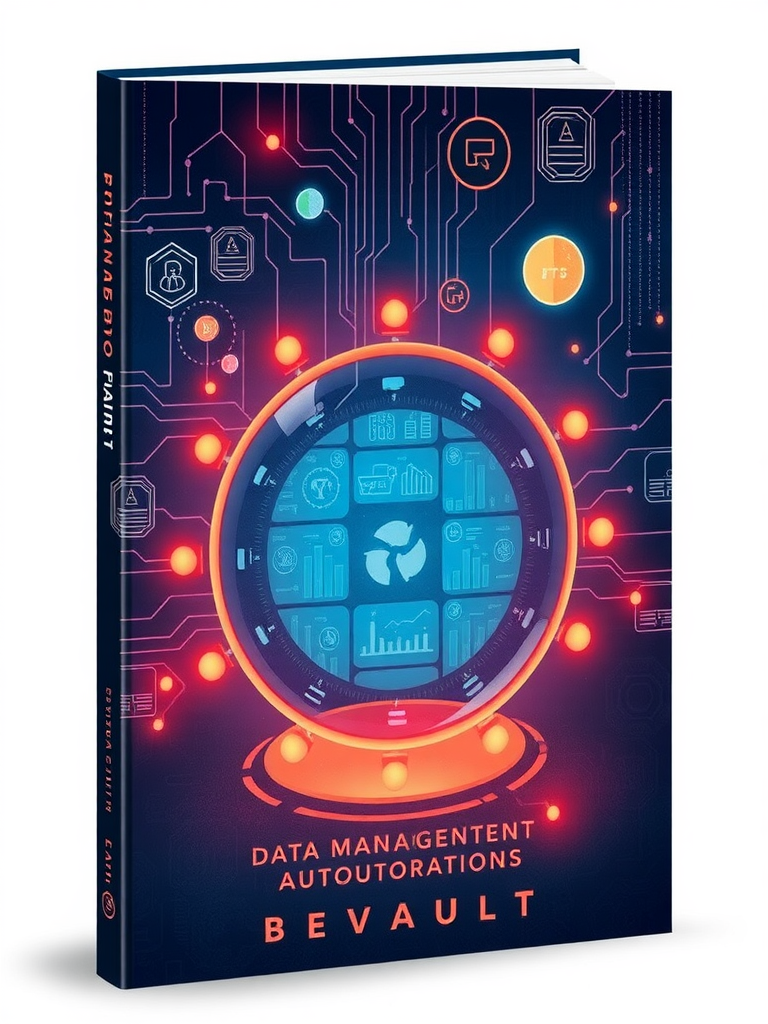
In a world where all data architects, data engineers, data scientists, database administrators and reporting/dashboarding specialists died from a strange disease, one company proposes to make data management automation, based in data Vault dv2 standard throughout its beVault solutions (beVault.io).
The year was 2030. The digital age was in full swing and companies relied heavily on their data to drive decision-making and stay competitive. Data professionals were in high demand, with specialized skills needed to manage and analyze the vast amounts of information being generated.
But then disaster struck. A global pandemic swept across the world, infecting and killing millions of people. Among the casualties were the highly skilled professionals who made up the backbone of the data industry: data architects, engineers, scientists, database administrators, reporting and dashboarding experts.
Companies were left reeling without their data experts. They struggled to manage their information effectively, leading to poor decision-making and a loss of competitive edge. The world was in chaos.
Amidst this crisis, one company saw an opportunity. dFakto, a technology firm known for its innovative solutions, proposed a radical idea: using automation to replace the lost expertise of the data professionals.
Their solution was beVault - a software that automated every step of the data management process. Built on the principles of Data Vault 2.0 (dv2) - a standardized methodology for modeling and managing enterprise data - beVault promised to deliver consistent, scalable, and reliable results without human intervention. Human are use to model and integrate data sources and think about their potential usages.
The concept was met with skepticism at first. How could a software effectively replace the knowledge and experience of highly skilled professionals? But as companies continued to struggle without their experts, they became desperate for a solution.
dFakto worked tirelessly to develop beVault into a comprehensive suite of modules that covered every aspect of data management. They partnered with industry experts - those who hadn't succumbed to the pandemic - to ensure that beVault followed best practices and incorporated the latest advancements in data management. Furthermore, dFakto ensure that beVault would always be compatible with technologies that do not exists yet.
Finally, after months of development, beVault was ready to be unveiled. dFakto hosted a global conference, showcasing the capabilities of their software and demonstrating how it could replace the lost expertise of data professionals.
The response was overwhelming. Companies from every industry flocked to beVault, eager to implement the solution and regain control over their data. The promise of automation was too enticing to resist.
dFakto quickly became a valuable company in the world as they sold licenses for beVault to companies large and small. They hired a team of support staff - those who had some knowledge of data management and modelling skills but lacked the specialized skills of the professionals who died - to assist with implementation and troubleshooting. They also proposed to their partners to leverage their scarce availability using beVault's technology.
Within a year, beVault was in use by thousands of companies worldwide. Data management became more efficient than ever before, with processes that used to take weeks or months now completed in a matter of hours and days.
But not everyone was thrilled with the rise of automation. Those who had once been data professionals found themselves out of work, replaced by software that could do their jobs better and faster.
They formed organizations and protested against dFakto, arguing that automation was destroying their livelihoods and devaluing their expertise. They demanded compensation for their loss and called for regulations to prevent further job displacement.
dFakto responded by offering training programs for those who had been displaced by automation. They argued that while software could perform the technical tasks of data management, there would always be a need for human creativity and critical thinking especailly for integration of data sources.
Some accepted this offer and retrained themselves in new roles within the data industry. Others refused, clinging to their pride and refusing to accept that they were no longer needed.
As time went on, however, it became clear that automation was here to stay. Companies saw the benefits of using software like beVault - cost savings, increased efficiency, improved data quality - and there was no turning back.
The world had changed. The loss of the data professionals had been a devastating blow, but out of that tragedy came a new era of data management, one driven by automation and powered by beVault.
And so, in a world where all data professionals had died, companies relied on their software counterparts to manage and analyze their data. The digital age continued to thrive, propelled by the innovations of dFakto and the power of automation.
Disclaimer
This is a work of fiction, assisted by artificial intelligence. Any names or characters, businesses or places, events or incidents, are fictitious. Any resemblance to actual persons, living or dead, or actual events is purely coincidental.
Content Removal Policy
- Users may report content that may be illegal or violates our Standards.
- All reported complaints will be reviewed and resolved within seven business days.
- Review Process: Our team will assess the reported content against our guidelines.
- Appeals: If you disagree with a decision, you may appeal within 14 days of notification.
- Potential outcomes include: content removal, account warning, or no action if no violation is found.
To report content, email us at [email protected]